A cold shower doesn’t automatically mean you need a new water heater. A provider needs to know whether the problem affects every hot-water outlet, when it began, and whether you can see a leak. Start with those observations before committing to replacement.
Describe the change in hot water
Is there no hot water at all, or does it run out sooner than it used to? Does the temperature change during use? If just one shower is affected while other taps work normally, say so. Keep any visible model information or error message handy if you can read it without opening a cover.
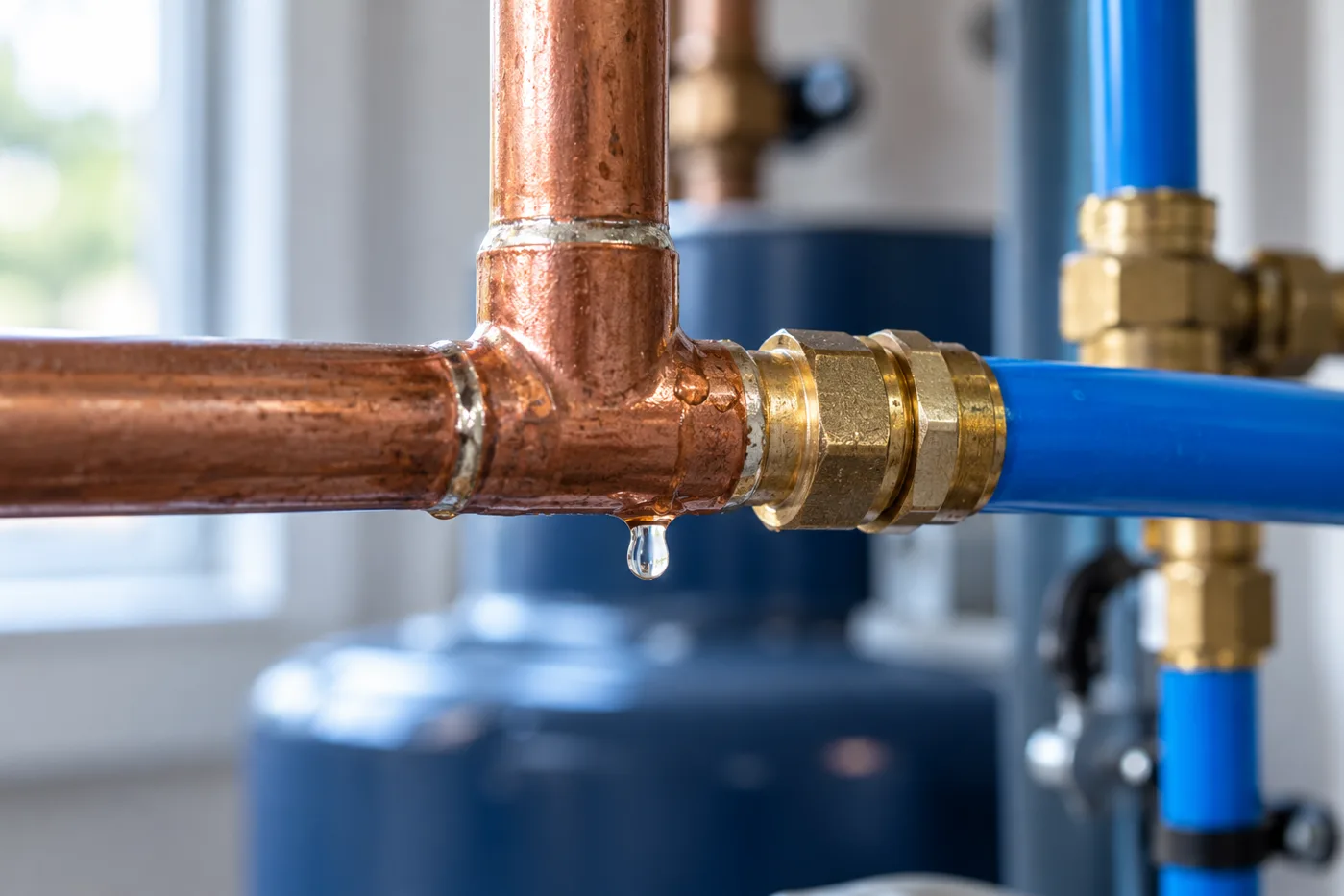
For a leak, report where you see water rather than assuming it comes from the tank. A connection or nearby pipe can also be involved. Keep away from water near electrical equipment and don’t open gas or electrical components.
Repair or replacement?
An assessment should explain the suspected fault and the work proposed. Ask which part needs attention, whether it is available, and how the repair compares with replacing the unit. Warranty information and previous service records can help that discussion.
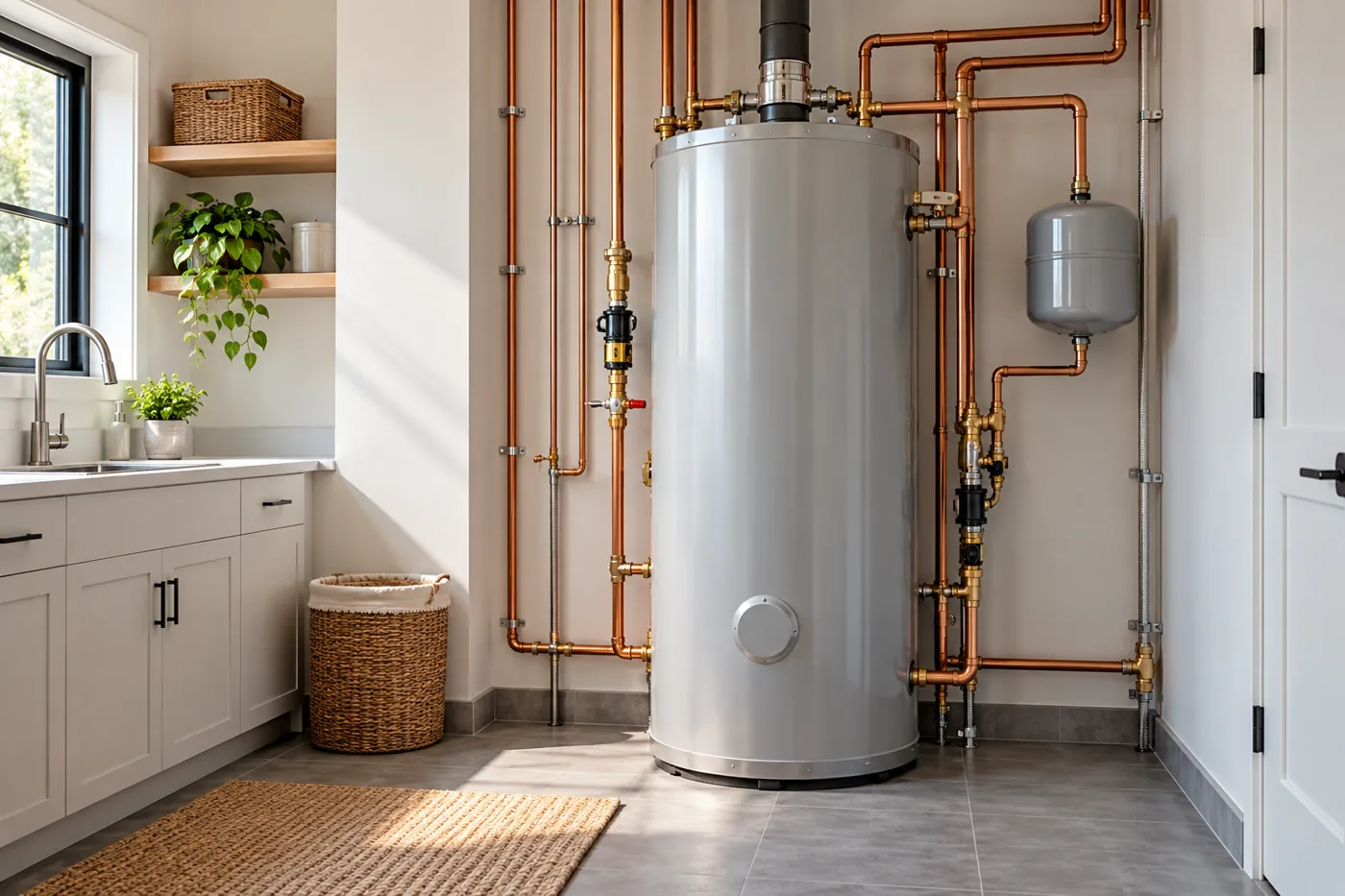
If replacement is recommended, the model is only part of the decision. Discuss hot-water demand, available space, installation access, and compatibility with the existing setup. If you’re considering a different system, read about tankless water heaters before asking for a conversion estimate.
Ask what the estimate includes
The total may depend on the unit, access, removal of the old heater, changes to connections, and other installation work. Ask who handles any required permits, disposal, and work by other trades. Have the provider list what is included and what could change after an on-site inspection.
A lower equipment price is not necessarily a lower installed price. Comparing written scopes makes it easier to see whether two estimates cover the same job.
Request help in Bend
Call with your service ZIP, the symptoms, and the water-heater type if you know it. Photos or a model number may be useful when the provider asks for them. We connect requests with independent providers; they confirm their availability and the price. For a non-urgent inquiry, use the request form.
What would you like to know?
Do I need to know the water heater’s age?
It is useful if you have the information, but don’t guess. A model or serial label, purchase record, or earlier service invoice may help the provider identify it.
Can I switch from a tank to tankless?
Ask for an assessment of the property and hot-water demand. A conversion can involve more than changing the appliance, so request an estimate covering the full installation.
What should I do if I see water around the heater?
Keep away from electrical equipment and report whether water is still collecting. Don’t open covers or work on gas controls. Call to discuss the urgency.